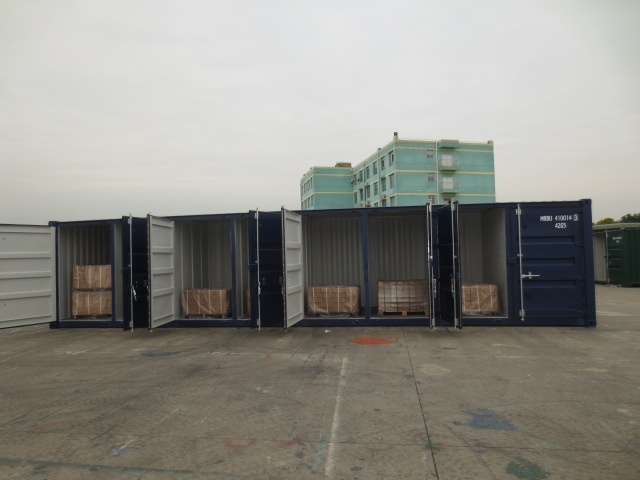
20ft Standard


Dimensions of a 20ft Container available in Bristol, ensuring you make the right choice for your shipping needs.


Get an Expert Quote
20ft Storage Containers

20ft Shipping Containers Dimensions

A standard 20ft shipping container gives a useful balance between storage capacity and site footprint. It is commonly used for general storage, equipment, materials and cargo where a conventional enclosed container is suitable.

The dimensions below are the stated measurements for a typical 20ft standard container. Individual units can vary slightly, so use these figures for initial planning and confirm critical dimensions before buying, hiring or loading a container.

Measurement Imperial Metric
External length 20ft 6.096 m
External width 8ft 2.438 m
External height 8ft 6in 2.591 m
Internal length 19ft 4 1/8in 5.896 m
Internal width 7ft 8 1/2in 2.350 m
Internal height 7ft 10 7/32in 2.393 m
Door opening width 7ft 8 1/16in 2.350 m
Door opening height 7ft 5 1/2in 2.274 m
Internal volume 1,165 cubic feet 33 m3
Maximum payload 62,391 lb 28,300 kg
Maximum gross weight 67,197 lb 30,480 kg

You can compare these figures with other types and sizes in the container dimensions section.

External Dimensions and Site Footprint

The external dimensions are the first figures to check when deciding where a 20ft container will go. At 6.096 m long and 2.438 m wide, the container needs a clear footprint larger than its nominal 20ft description might suggest.

The 2.591 m external height also matters where the site has restricted clearance. Check gateways, tree branches, roof overhangs, overhead cables and other obstructions along the delivery route as well as above the final position.

Allow space around the container rather than measuring only the steel box itself. The cargo doors need room to open and the delivery operation needs additional working space. If the unit may be collected or relocated later, keep suitable vehicle access available.

Internal Dimensions and Usable Storage Space

The internal dimensions are more useful when working out what will actually fit inside. The stated internal space is approximately 5.896 m long, 2.350 m wide and 2.393 m high, with an internal volume of about 33 m3.

These measurements are smaller than the external dimensions because the steel structure, walls, doors and framing take up space. For shelving, machinery, pallets or long materials, work from the internal measurements rather than assuming the full external footprint is usable.

inside 20ft Container

Internal volume can help with a broad comparison, but it does not tell you whether a particular object will fit. Measure the longest, widest and highest points of the items being stored, including packaging, handles and anything else that projects beyond the main body.

Door Opening Dimensions

The door opening is often the limiting measurement when loading a standard container. The stated opening is 2.350 m wide and 2.274 m high.

This means an item can fit within the internal width and height but still be difficult or impossible to move through the doors. Large equipment should therefore be checked against both the internal dimensions and the door opening.

Also consider how the item will turn as it enters. A long or rigid object may fit on paper but still need extra clearance to pass through the doorway and into its final position. Where loading access is the main difficulty, an 20ft open top container or 20ft flat rack may be more appropriate for certain loads.

Payload and Gross Weight

The supplied specification gives a maximum payload of 28,300 kg and a maximum gross weight of 30,480 kg. Payload is the cargo weight the stated specification allows, while gross weight is the combined permitted weight of the container and its contents.

These figures should not replace the data plate on the individual container. Specifications can vary between units, particularly across different ages and manufacturers. If weight is important to the job, check the actual container before loading.

Weight distribution matters as well as total weight. Heavy machinery or other concentrated loads can place substantial force on a small area of the floor. A total cargo weight below the stated payload does not by itself establish that every loading arrangement is suitable.

Choosing New or Used 20ft Containers

Shipping Containers of Bristol offers new and used 20ft standard containers for sale. The right condition depends on how you intend to use the container and how much appearance matters.

A used container can suit straightforward storage where cosmetic wear is acceptable, but condition labels should not be treated as guarantees about every part of the unit. Check doors, seals, floor, structure and any repairs in relation to the intended use.

For storage, terms such as wind and watertight describe a condition standard rather than the age of the container. If the unit will be used for shipping rather than static storage, cargo suitability and certification need separate checks.

Buying or Hiring a 20ft Container

Buying can make sense for long-term use, repeated projects or situations where you want to keep control of the container after delivery. Ownership also gives more freedom if you later want to relocate or modify the unit, subject to the requirements of the site and intended use.

Hire can work better for temporary storage or a project with a defined end point. The container can be collected when the hire finishes, avoiding the need to retain or dispose of it. Check the hire period, collection arrangements, permitted use and responsibility for damage before proceeding.

You can compare the alternative on the 20ft standard container hire page.

Delivery and Placement in Bristol

A 20ft container still requires enough room for the delivery vehicle to approach, manoeuvre and unload. Measuring only a 6.096 m by 2.438 m rectangle is not enough to establish that delivery will work.

Check gate width, bends in the access route, turning space and ground conditions. Tell the supplier about slopes, soft ground or other features that could affect vehicle access or placement. Look for overhead cables, branches and structures before arranging any lifting operation.

Choose the door orientation before delivery and prepare a suitable, level position with sensible drainage. Keeping the container properly supported helps the doors operate as intended and reduces problems caused by uneven placement.

The container delivery guide covers the main measurements and access information to provide before arranging delivery.

Storage, Ventilation and Condensation

A steel shipping container can develop condensation when moisture in the internal air meets cold surfaces. Ventilation can help by allowing moist air to move out, but the right approach depends on what is being stored and how the container will be used.

Keep goods away from standing water and consider drainage around the container. Materials that release moisture can increase humidity inside, while tightly packed contents can restrict air movement.

If the intended use is sensitive to temperature or condensation, lining or insulation may be worth considering. These measures should be chosen for the application rather than added automatically. A standard steel container is different from a refrigerated unit designed specifically for controlled-temperature operation.

Using a 20ft Container for Export

If a container will carry cargo internationally, check the individual unit rather than assuming any 20ft container is ready for export. Its condition, CSC status and cargo suitability can affect whether it will be accepted by a shipping line.

CSC refers to the Convention for Safe Containers. Certification, inspection status and carrier acceptance can vary between individual units. Verified Gross Mass, usually called VGM, and shipping documentation may also apply to the movement.

Customs, insurance, tax and shipping requirements depend on the cargo, destination and arrangement. Check these matters with the relevant shipping line, freight forwarder, customs agent, insurer or professional adviser. The Shippers Own Containers information provides a useful starting point for export use.

What to Measure Before Ordering

  1. Check the available site space against the 6.096 m by 2.438 m external footprint.
  2. Measure the items being stored against the 5.896 x 2.350 x 2.393 m internal dimensions.
  3. Check large items against the 2.350 m by 2.274 m door opening.
  4. Confirm the cargo weight where payload is relevant.
  5. Decide whether purchase or hire suits the expected duration.
  6. Check the delivery route, entrance width, turning space and overhead clearance.
  7. Choose the final position and door orientation before delivery.

Once you have the intended use, delivery postcode and any critical measurements, use the container quote form to discuss the required 20ft container.

Shipping Container Solutions in Bristol

Partner with Shipping Containers of Bristol and experience the difference:

Service *
Condition *
reCAPTCHA *
This site is protected by reCAPTCHA and the Google Privacy Policy and Terms of Service apply.