Shipping Container Solutions in Bristol
Partner with Shipping Containers of Bristol and experience the difference:
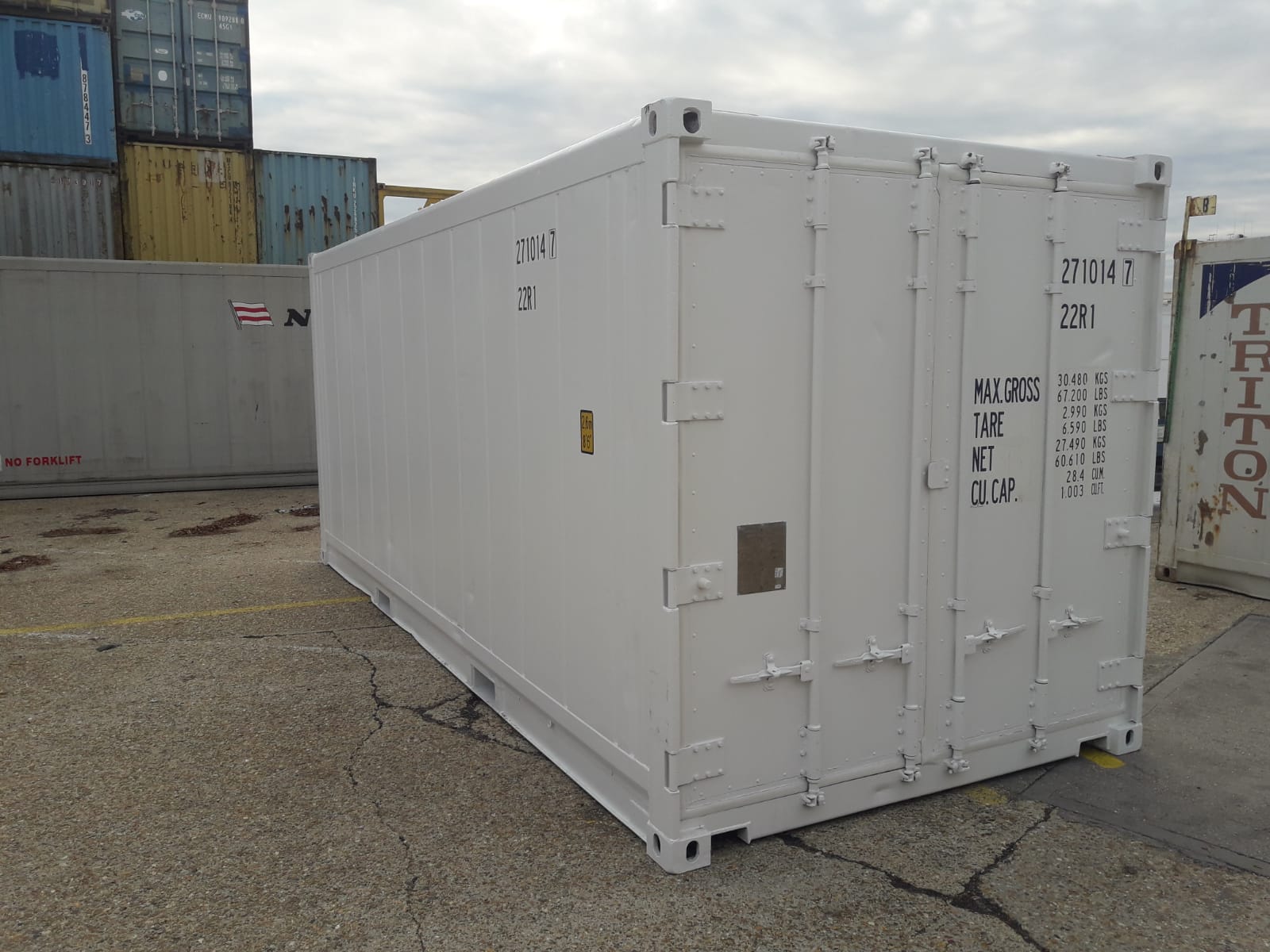
A 20ft refrigerated container is an insulated shipping container fitted with refrigeration equipment for temperature-controlled cargo. It is commonly known as a reefer.
The main reason to choose a reefer rather than a standard dry container is temperature control. This makes the container relevant where the goods being stored or transported need a controlled environment. The original specification gives food and pharmaceuticals as examples of temperature-sensitive cargo.
A reefer also needs to be chosen differently from an ordinary storage container. Internal dimensions, operating requirements and the refrigeration equipment itself matter alongside the condition of the container. If temperature control isn’t required, a standard container may be the simpler option.
Shipping Containers of Bristol offers new and used 20ft refrigerated containers for sale. Availability can change, so the required specification should be confirmed when you enquire.
The figures below provide the stated specification for a typical 20ft refrigerated container. Refrigerated containers have insulated walls and refrigeration equipment, so their usable internal space differs from a standard dry container of the same nominal length.
| Description | Imperial measurement | Metric measurement |
|---|---|---|
| External dimensions | 20ft x 8ft x 8ft 6in | 6.096 x 2.438 x 2.591 m |
| Internal length | 19ft 4 1/8in | 5.896 m |
| Internal width | 7ft 8 1/2in | 2.350 m |
| Internal height to load line | 7ft 10 7/32in | 2.393 m |
| Door opening width | 7ft 8 1/16in | 2.350 m |
| Door opening height | 7ft 5 1/2in | 2.274 m |
| Internal volume | 1,165 cubic feet | 33 m3 |
| Maximum payload | 62,391 lb | 28,300 kg |
| Gross weight | 67,197 lb | 30,480 kg |
These dimensions are approximate rather than a specification for every individual unit. If the available internal space, door opening or payload is critical to your cargo, confirm the details of the particular container before ordering.

Start with the goods you need to store and the conditions they require. A refrigerated container isn’t simply an insulated version of a standard shipping container. The refrigeration system is central to how the unit will be used, so its operating requirements need to form part of the decision.
Internal measurements are particularly important. Insulation takes up space within the container, while the refrigeration equipment also affects the overall arrangement. Measure the cargo, pallets or equipment you intend to place inside and check them against the usable internal dimensions and door opening rather than relying on the 20ft description alone.
Pay attention to the stated load line as well. The supplied specification gives an internal height to the load line of 2.393 m. Where loading position affects the operation of the container, follow the requirements for the individual unit rather than treating its entire physical interior as unrestricted loading space.
Both new and used reefers can meet different requirements, but condition should be assessed in relation to the intended job. With a refrigerated container, that means looking beyond the external steel structure and considering the refrigeration equipment and insulated interior as well.
If you’re considering a used unit, establish its condition and operating status before deciding whether it suits your application. Age, previous repairs, and equipment condition can vary between individual containers. A description such as used does not by itself establish the condition or suitability of the refrigeration system.
For applications where temperature control is critical, give the supplier clear information about the intended use and required operating conditions. If the container is intended for regulated goods such as pharmaceuticals or particular food products, check the applicable storage, monitoring and handling requirements with the relevant competent adviser or authority.

Buying generally makes more sense where you need ownership of the container for ongoing use, want to keep it at a site or expect to use it repeatedly. You are then responsible for the unit and its future maintenance, movement and eventual disposal or resale.
Hire can be useful for temporary requirements because the container can be returned at the end of the agreed period rather than retained. Check the hire terms, intended use, collection arrangements and responsibility for damage before committing. You can compare this option on the 20ft refrigerated container hire page.
Availability of a particular specification can change. Give the team details of the intended use, required condition, delivery postcode and how long you expect to need the container so the purchase and hire options can be considered against the job.
A suitable container still needs a suitable delivery site. Before arranging delivery, check the whole access route rather than measuring only the final position.
Useful information to provide includes the entrance and gate width, available turning space, ground conditions and the intended container position. Check for overhead cables, branches and other obstructions around the access route and unloading area. The space needed by the delivery vehicle and lifting operation can be greater than the footprint of the container itself.
The container should be positioned on suitable, level support. Think about drainage around the site and leave enough access for the doors, refrigeration equipment and any future collection or relocation. Door orientation is easier to resolve before placement than after the container has been unloaded.
The exact delivery method and crane requirements depend on the site and placement. See the container delivery guide for the main access and placement checks to make before arranging delivery.
If the reefer will be used for international cargo rather than static storage, check that the individual container is suitable and accepted for the proposed movement. Do not assume that being a refrigerated shipping container automatically means a used unit is currently acceptable for export.
CSC status, cargo suitability, gross weight and carrier acceptance can all be relevant. Verified Gross Mass, usually called VGM, documentation and customs requirements may also apply to the shipment. Refrigerated cargo can have further requirements relating to the goods and temperature conditions.
Shipping rules, customs, tax, insurance and carrier requirements depend on the movement and cargo. Confirm them with the relevant shipping line, freight forwarder, customs agent, insurer or professional adviser. The Shippers Own Containers information provides a useful starting point for customers planning to ship cargo in their own container.
If a refrigerated container will remain on a site, consider its intended use, position and duration as well as delivery access. Planning requirements can depend on factors such as how long the container will remain, what it is used for, the status of the site, neighbouring property, conservation or listed status, any associated works and whether the use of the site changes.
Planning permission isn’t automatically required or automatically exempt simply because the structure is a shipping container. For a proposed installation in Bristol, check the current requirements with the relevant local council before proceeding where planning or change of use may be an issue.
Partner with Shipping Containers of Bristol and experience the difference: