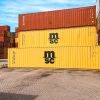
Shipping Container Solutions in Bristol
Partner with Shipping Containers of Bristol and experience the difference:
Need to hire a storage container in Oxford? Shipping Containers of Bristol has a variety of new and used options available for short and long-term hire.
Shipping Containers of Bristol can help with container hire in Oxford for businesses, contractors, schools, farms, retailers and domestic customers who need temporary storage on site. A hired container can be a practical choice for building work, refurbishments, seasonal stock, event equipment, tools, archive storage and overflow warehouse space.

The right container depends on what you are storing and how you need to load it. A standard end-opening unit suits many storage jobs. A larger 40ft container gives more floor space where the site allows it. Open tops, flat racks and refrigerated containers are more specialised and should only be chosen where the load or temperature requirement makes them necessary.
Hire is different from buying. The container remains a hire unit, so collection access, damage responsibility, relocation, minimum hire period and any restrictions on alterations should be checked before delivery. If you expect to keep the unit long term or want to modify it, compare hire with container sales in Oxford.

Start with the load. Measure the largest item, think about how it will be lifted, and allow space for safe access inside the container. A container that is large enough on paper may still be awkward if the doors face the wrong way, the ground is uneven, or a forklift cannot approach safely.
For general storage, 20ft and 40ft standard containers are usually the first options to compare. A 20ft unit is easier to fit on tighter sites, while a 40ft unit gives more length for bulkier loads and higher volumes of stock. Use the container dimensions page to check the base sizes before deciding.
| Container type | Best suited to | Point to check |
|---|---|---|
| 20ft standard containers for hire | Tools, stock, furniture, materials and general storage | Door access and site footprint |
| 40ft standard containers for hire | Larger volumes, long materials and warehouse overflow | Road access, turning space and placement area |
| 20ft open top containers for hire | Tall or awkward loads that need lifting from above | Crane access and weather protection |
| 40ft open top containers for hire | Longer out-of-gauge loads and top-loaded cargo | Lifting plan and load restraint |
| 20ft refrigerated containers for hire | Temperature-controlled goods | Power supply, set temperature and monitoring |
| 40ft flat rack containers for hire | Oversized machinery, plant and heavy awkward cargo | Lashing, loading method and transport suitability |
Specialist containers are not always suitable for ordinary storage. If you only need dry, secure space, a standard steel storage container may be the most straightforward option. If the goods are high value, moisture-sensitive, temperature-sensitive or unusually heavy, explain this when asking for a quote.


Hire containers may be new, one-trip or used, depending on the unit type and current availability. One-trip usually means the container has been used once to carry cargo into the UK. It should look cleaner than an older used unit, but small scuffs, dents and handling marks can still be present.
Used containers can be suitable for secure storage where appearance is less important. The key checks are the roof, floor, doors, seals, hinges, locking bars and general wind and watertight condition. Wind and watertight means the container is intended to keep out normal weather when closed correctly. It should not be treated as a promise that the unit is suitable for shipping cargo or for every storage use.
Refrigerated containers need extra checks because they rely on power and working machinery. Flat racks and open tops are cargo-handling equipment rather than sealed stores, so they need a clear loading plan. If goods are insured, check with the insurer what container condition, locking and site security they expect.
Most site storage containers are delivered by lorry. A HIAB vehicle is a lorry with a crane that can lift the container from the vehicle and place it nearby, subject to access, reach, weight and safe working conditions. Do not assume a container can be placed until the access route has been checked.
Before booking, measure the entrance width, road approach, turning space and final position. Look for overhead cables, tree branches, gutters, roof edges, signs, parked vehicles, slopes and weak ground. A container should sit on firm, level ground so the doors open and close properly. Concrete, compacted hardcore or suitable level supports are usually better than soft grass or uneven soil.
Door orientation matters. Decide where the cargo doors should face before delivery, and leave enough space for them to open fully. If the container will be collected later, keep the route back to the lorry clear throughout the hire. The container delivery guide explains the practical access checks in more detail.

A shipping container is a strong storage unit, but site practice still matters. Use a suitable padlock, keep doors closed when not in use, and position the container where it is visible and practical to monitor. Some containers have lockboxes that help shield the padlock from attack, but the whole site should still be considered.
Condensation can form inside steel containers when warm damp air meets cold metal. It is more likely when wet items are loaded, airflow is blocked, or temperature changes quickly. Keep goods dry before loading, raise items off the floor where possible, leave air gaps around the walls and avoid packing sensitive items hard against bare steel.
For tools, paper, textiles, packaging, electrical equipment or furniture, consider ventilation, moisture absorbers, lining or a more controlled storage approach. Do not fix racking, cut holes, drill into panels or add electrics to a hire container unless this has been agreed in writing.

Check hire terms before the unit leaves the depot or delivery point. Ask about the minimum hire period, delivery, collection, notice to off-hire, payment terms, damage responsibility, relocation and what happens if the container cannot be collected because access is blocked.
Planning requirements can depend on the intended use, duration, site status, neighbouring property, listed status, conservation areas, change of use, works and local policy. Do not assume planning permission is always or never required. Check current requirements with the local council if the container will remain in place for a longer period or be used for anything beyond simple temporary storage.
Buying may be better if you need permanent storage, expect to use the unit for years, want to move it between your own sites or plan to modify it. Hiring is usually better for a temporary need where the container will be returned. When you know the size, hire period, postcode, access details and intended use, send the information through the container quote form.
For most storage jobs, start by comparing 20ft and 40ft standard containers. A 20ft unit suits tighter sites and general storage, while a 40ft unit gives more space if the delivery route and final position can take it.
No. The ground should be firm, level and suitable for the weight of the container and its contents. Uneven ground can twist the container and make the doors difficult to use.
Only by agreement with the supplier. Moving a loaded or empty hire container needs the right vehicle, safe access and a suitable new position, and it may affect hire terms or cost.
It depends on the site, use and duration. Check current requirements with the local council before placing a container for long-term use, public-facing use or as part of wider works.
Refrigerated hire may be an option where temperature control is needed, but you should confirm availability, power requirements, set temperature, access and monitoring before booking.
Partner with Shipping Containers of Bristol and experience the difference: